
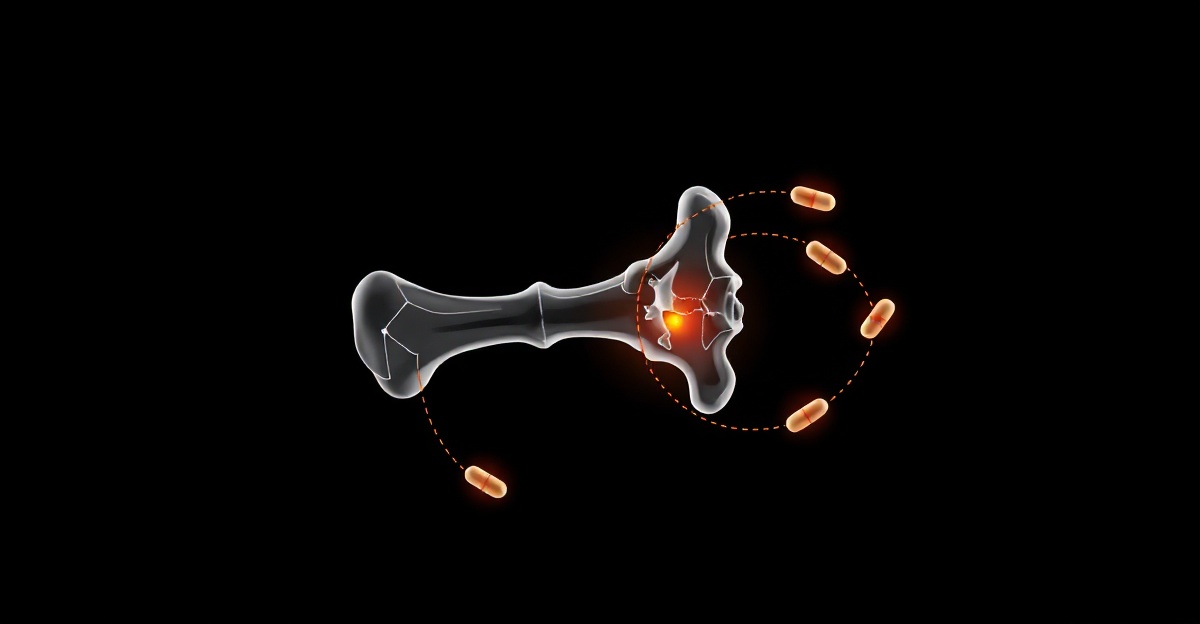
When I broke my right femur on April 21, 2026, the surgical team at BVDK Tam Anh handled the emergency. The medication stack handled the pain. But the thing that the hospital discharge sheet does not cover in any useful detail is what to eat, what to supplement, and how to manage calories when you go from burning 3,200 kcal/day in Ironman training to sitting in a chair with crutches leaning on the wall. This page is the nutrition protocol I actually used — not a theoretical best-practice list, but what I bought, what I dosed, what I changed, and why.
The Stack
Everything below was decided in collaboration with my Ironman coach Rob Wilby, checked against my January 2026 comprehensive blood panel (the operating baseline), and cross-referenced with the prescription medications from BVDK Tam Anh to avoid interactions. The stack went live on Day 3 post-surgery, once I could eat solid food reliably.
Vitamin D3 + K2
Dose: 4,000–5,000 IU D3 per day with MK-4 K2.
Vitamin D3 is the gatekeeper for calcium absorption. Without adequate serum 25(OH)D, you can take all the calcium you want and the gut will not absorb it efficiently. My January 2026 blood panel had 25(OH)D at 42 ng/mL — adequate for a healthy adult, but I wanted it in the 50–60 ng/mL range during active bone healing. The 4,000–5,000 IU daily dose is within the safe upper range and consistent with the Endocrine Society's recommendation for deficiency correction. K2 in the MK-4 form activates osteocalcin, which routes calcium into bone matrix instead of soft tissue and arterial walls. D3 without K2 is an incomplete protocol.
Calcium
Target: ~1,200 mg/day total from food and supplements combined.
The renewal prescription from BS Luu included NextG Cal — a calcium hydroxyapatite tablet with D3 and K1, two capsules every morning. On top of that, I added an Aquamin F supplement (red seaweed–derived calcium) at a separate meal. The reason for splitting: calcium absorption per dose plateaus at around 500 mg, so two 500–600 mg doses absorbed better than one 1,200 mg bolus. Calcium citrate and hydroxyapatite absorb better than plain calcium carbonate, especially on an empty stomach or with reduced stomach acid. I avoided calcium carbonate forms entirely.
Dietary calcium from food: Greek yogurt, hard cheese, sardines with bones, and fortified soy milk covered roughly 400–500 mg/day. The supplements filled the gap to 1,200 mg total.
Collagen peptides + Vitamin C
Dose: 15g hydrolyzed collagen peptides with 500mg vitamin C, taken 30 minutes before every PT session.
The protocol follows the Baar lab research (2017, Sci Transl Med): 15g of vitamin C–enriched gelatin or hydrolyzed collagen taken 30–60 minutes before a mechanical loading stimulus increases amino acid delivery to connective tissue during the period of peak collagen synthesis. The mechanical loading stimulus in my case was the PT session — passive ROM work, isometric contractions, assisted SLRs. Whether this protocol accelerates bone callus formation specifically is not yet proven in clinical trials. Whether it supports tendon, ligament, and periosteal tissue repair around the fracture site is mechanistically plausible. I included it because the protocol is cheap, well-tolerated, and the worst case is that it does nothing.
Omega-3 (EPA + DHA)
Dose: 2.25g EPA + DHA per day (NOW Ultra Omega-3, three capsules).
Anti-inflammatory without the bone-healing impairment associated with sustained higher-dose NSAIDs. The COX-2 selective NSAID Celecoxib in my prescription handled acute inflammation for the first four weeks. Omega-3 fatty acids provide a parallel anti-inflammatory pathway through resolvin and protectin production that does not interfere with prostaglandin-mediated callus formation the way non-selective NSAIDs can. The dose is within the range studied for post-surgical inflammation and joint health. I was already taking this pre-injury as part of the Ironman nutrition stack.
Creatine monohydrate
Dose: 5g/day, every day, no loading phase.
The best-documented anti-atrophy compound during immobilization. Creatine preserves intracellular water content in muscle, supports ATP regeneration during early isometric work, and has emerging evidence for neuroprotective effects post-anaesthesia. The muscle-sparing effect is the primary reason it is in the stack. During six weeks of non-weight-bearing, the operated leg loses muscle at a rate of roughly 0.5–1% of cross-sectional area per day in the first two weeks, slowing thereafter. Creatine does not prevent this loss, but the evidence suggests it attenuates it. At 5g/day with no side effects and no drug interactions, there is no reason to exclude it.
Magnesium citrate
Dose: 400mg elemental magnesium at night, spaced at least two hours from calcium.
Magnesium is a cofactor in over 300 enzymatic reactions, including those involved in bone remodelling and osteoblast differentiation. The citrate form has better bioavailability than oxide and doubles as a gentle osmotic laxative — relevant when tramadol (Ultracet) is in the prescription, because opioid-induced constipation is a predictable side effect that no one warns you about until it arrives. I take it at night because it supports sleep quality, and sleep is the single most underweighted recovery variable for bone healing. Spaced from calcium because the two compete for absorption when taken together.
Zinc
Dose: 15–30mg/day, taken with food, separated from calcium.
Zinc is an essential osteoblast cofactor. Deficiency impairs bone formation and delays fracture healing in animal models. My January blood panel had zinc in the normal range, so the supplement is insurance, not correction. The dose stays at 15–30mg to avoid copper depletion, which can occur with sustained high-dose zinc intake above 40mg/day. Taken with a meal that includes protein, separated from calcium by at least two hours.
Vitamin C
Dose: 500–1,000mg/day total (including the pre-PT dose with collagen).
Collagen synthesis requires vitamin C as a cofactor for the prolyl and lysyl hydroxylase enzymes that stabilize the collagen triple helix. Without adequate vitamin C, collagen cross-linking is impaired and bone matrix quality deteriorates. The 500mg pre-PT dose serves the Baar protocol. The remaining 500mg spread through the day covers baseline requirements plus the elevated demand from wound healing and tissue repair. I eat citrus and peppers daily, so dietary intake adds another 100–200mg on top.
The Evidence: What Research Actually Supports
The honest answer is that the evidence base for most bone-healing supplements is moderate at best. Here is how I categorize the stack by evidence strength:
- Strong evidence (deficiency clearly delays healing): Vitamin D, calcium, protein. These are not optional. Deficiency in any one of them is directly associated with delayed union, non-union, and increased complication rates in the orthopaedic literature.
- Good evidence (mechanism clear, clinical data supportive): Vitamin C (collagen synthesis cofactor), zinc (osteoblast function), omega-3 (anti-inflammatory without COX inhibition). These have plausible mechanisms, animal-model support, and observational human data.
- Emerging evidence (mechanism plausible, clinical data limited): Collagen peptides + vitamin C for connective-tissue synthesis (Baar protocol), creatine for muscle-sparing during immobilization, magnesium for bone remodelling. The Baar protocol is the most cited, but it was studied in tendon and ligament loading, not fracture callus formation specifically.
- Excluded (insufficient evidence or risk of harm): BMP supplements, strontium ranelate, high-dose vitamin A, bone broth as a primary protein source (inadequate amino acid profile for muscle preservation). I also excluded any supplement that could interact with Rivaroxaban during the anticoagulation window — notably, high-dose vitamin E and fish oil above 3g/day.
What I Changed From My Pre-Injury Diet
Before the crash, my Ironman training diet was optimized for performance: high carbohydrate for glycogen replenishment, moderate protein at 1.6–1.8 g/kg/day, and fat as a flexible variable. The injury inverted the priorities.
- Protein went up. From 1.6–1.8 g/kg/day to 2.0 g/kg/day. The increase is modest in percentage terms but significant in practice: ~180g/day at 94 kg requires four protein-rich meals plus a whey shake. The reason is dual — bone matrix repair and muscle-atrophy prevention during immobilization both demand elevated protein synthesis, and immobilized muscle is less sensitive to the anabolic signal from each meal (anabolic resistance), so the total intake needs to be higher to achieve the same rate of muscle protein synthesis.
- Carbohydrate went down. From ~5 g/kg/day to ~3 g/kg/day. No glycogen-depleting sessions means no need for high-carb replenishment. The remaining carbohydrate comes from fruit, vegetables, and whole grains — enough to support immune function and mood, not enough to drive fat gain during a sedentary period.
- Fat stayed roughly the same. Around 1 g/kg/day, with a deliberate shift toward omega-3–rich sources (fatty fish, walnuts, flaxseed) and away from the convenient training-fuel fats (peanut butter by the spoonful, trail mix) that are calorie-dense and easy to overeat when not training.
- Alcohol was eliminated completely. Not reduced, eliminated. Alcohol impairs osteoblast function, reduces calcium absorption, and disrupts sleep architecture. For the first 12 weeks post-surgery, this is a hard line, not a preference. I will reassess at Month 3, and the answer will probably still be no.
- Caffeine was reduced. From 3–4 cups per day to 1–2. High caffeine intake increases urinary calcium excretion. One or two cups in the morning, nothing after noon, and the calcium-sparing effect of the reduction is modest but directionally correct.
Calorie Management While Immobile
This is the section that matters most to athletes recovering from a fracture, and it is the one that almost no one gets right.
The instinct is to cut calories because you are not training. The instinct is wrong. Bone healing is metabolically expensive. The acute inflammatory phase, callus formation, and tissue remodelling all increase resting metabolic rate by an estimated 15–20% above true resting baseline. Cutting calories during this window slows healing and accelerates muscle loss — the two things you least want.
At the same time, your total daily energy expenditure drops dramatically. My pre-injury TDEE during Ironman training was roughly 3,200 kcal/day. Immobilized at home with crutch-walking as my only physical activity, my TDEE dropped to approximately 2,200 kcal/day. The delta is enormous: 1,000 kcal/day less than what I was used to eating.
My approach: eat at approximately 2,400 kcal/day — a slight surplus over immobilized TDEE to support healing, but 800 kcal/day less than my training diet. The macro split:
- Protein: 180g (~720 kcal, 30% of total)
- Carbohydrate: 250g (~1,000 kcal, 42% of total)
- Fat: 75g (~680 kcal, 28% of total)
I tracked intake loosely for the first two weeks using MyFitnessPal, then shifted to a pattern-based approach: four meals a day, each with a palm-sized protein source, a fist of vegetables, a cupped hand of carbohydrate, and a thumb of added fat. The pattern hit ~2,400 kcal consistently without daily logging.
Weight trajectory: 94.0 kg at discharge (Day 7), and I expect to be 95–96 kg by Week 6, with approximately 2 kg of that being lean-mass loss offset by water retention and a small amount of fat gain. The goal is not to maintain weight — it is to feed the healing, preserve as much muscle as possible, and accept that some body-composition change is inevitable during forced rest. The recomposition happens during the return-to-training phase, not now.
What Meals Actually Looked Like
Theory is nice. Here is what I actually ate in a typical day during the first four weeks:
- Breakfast (07:00): Greek yogurt (200g) with mixed berries, a handful of walnuts, and a scoop of collagen peptides stirred in. NextG Cal (2 capsules) and vitamin D3+K2 with the meal.
- Mid-morning (10:00): Two eggs scrambled with spinach and cheese on one slice of sourdough. Black coffee, one cup.
- Pre-PT (30 min before session): 15g collagen peptides dissolved in warm water with 500mg vitamin C. Not a meal, just the Baar protocol dose.
- Lunch (12:30): 200g chicken breast or salmon with rice (150g cooked) and a large mixed salad. Omega-3 capsules with this meal.
- Afternoon (15:30): Whey protein shake (30g protein) with a banana. Zinc with this meal, separated from the morning calcium by five hours.
- Dinner (18:30): 200g beef, pork, or fish with sweet potato or noodles and steamed vegetables. Second calcium dose (Aquamin F) with this meal.
- Night (21:00): Magnesium citrate, Gabapentin, creatine monohydrate mixed into water.
Living in Ho Chi Minh City made the protein targets easier than they would have been in many places. Vietnamese cuisine is protein-forward: pho with extra beef, com tam with grilled pork, bun cha — these are not "healthy eating" meals, they are normal meals that happen to deliver 40–50g of protein per sitting.
Mistakes I Made Early
Three things I would do differently if I had the first week back:
- I started the supplement stack on Day 3, not Day 1. The first two days were dominated by hospital food, nausea from anaesthesia, and the prescription medication absorbing all my attention. The D3, calcium, and protein could have started on Day 1 with the hospital meals. The delay was inattention, not contraindication.
- I underestimated hydration. The first 10 days I was drinking 1.5–2L of water per day, which is far below adequate during active healing and anticoagulation. By Day 12, after a constipation episode partly driven by tramadol and partly by dehydration, I forced the target up to 3L/day. The difference in sleep quality, bowel regularity, and general subjective recovery was immediate.
- I did not plan the pre-PT collagen timing. The Baar protocol requires 30 minutes lead time before mechanical loading. For the first three PT sessions, I had the collagen after the session, not before. Once I built the timing into the calendar event for each PT slot, compliance was automatic.
What I Deliberately Did Not Take
The supplement market is full of products marketed at fracture patients. Here is what I excluded and why:
- Bone broth as a protein source. Bone broth is mostly water, gelatin, and minerals. It has an incomplete amino acid profile for muscle protein synthesis (low in leucine, the key trigger for muscle protein synthesis) and delivers roughly 6–10g of protein per cup. It is fine as a food. It is not a protein strategy.
- Strontium ranelate. Prescription osteoporosis drug with cardiovascular safety concerns and no indication for acute fracture healing in healthy adults. Not relevant to my situation.
- High-dose vitamin A. Retinol at high doses is associated with reduced bone density and increased fracture risk. My multivitamin provides adequate vitamin A from beta-carotene. Additional supplementation is contraindicated.
- Any supplement that could interact with Rivaroxaban. During the first two weeks of anticoagulation, I excluded high-dose vitamin E (>400 IU, antiplatelet effect) and kept fish oil below 3g EPA+DHA/day. After Rivaroxaban was discontinued at Day 14, the omega-3 dose stayed at 2.25g because there was no reason to increase it.
Blood Work: Before and During
The January 2026 comprehensive blood panel was the operating baseline. Key values relevant to bone healing:
- 25(OH)D: 42 ng/mL (target during healing: 50–60)
- Calcium (total): 9.4 mg/dL (normal range)
- Ferritin: 151.4 ng/mL (checked again on Day 7: normal)
- Zinc: normal range
- CRP: baseline low (expected to be elevated post-surgery)
I will repeat the relevant panels at Week 6 and Week 12 to track whether the supplementation is actually moving the markers I care about. If 25(OH)D is not in the 50–60 range at Week 6, the D3 dose goes up. If calcium is high-normal or above, the supplemental calcium dose goes down. The blood work decides, not the protocol document.
The full medication and supplement overview, including the prescription drugs that ran alongside this stack, is on the pillar page. The day-by-day log that captures when each supplement was introduced and adjusted is in the femur fracture recovery timeline.
Frequently Asked Questions
What supplements speed bone healing?
The supplements with the strongest evidence for supporting bone healing are vitamin D3 (maintains calcium absorption and osteoblast function), calcium (the primary mineral substrate for new bone), vitamin C (essential cofactor for collagen synthesis in the bone matrix), and adequate protein (provides the amino acid building blocks for callus formation). Collagen peptides taken with vitamin C before loading have emerging evidence for connective-tissue synthesis. Zinc is an osteoblast cofactor. None of these "speed" healing beyond the body's natural rate — they prevent deficiency-related delays, which is the actionable distinction.
How much protein do you need after a fracture?
Research consistently shows that protein intake of 1.5–2.0 g/kg/day supports fracture healing and reduces muscle atrophy during immobilization. I targeted 2.0 g/kg/day (~180g at 94 kg), which required deliberate planning — four protein-rich meals plus a whey shake. Undereating protein during fracture recovery is one of the most common and most consequential nutritional mistakes, especially in older adults. The body is building new bone matrix and repairing soft tissue simultaneously, and both processes are protein-intensive.
Does collagen help heal fractures?
Bone is roughly 35% organic matrix by weight, and that matrix is predominantly type I collagen. Supplemental hydrolyzed collagen peptides (15–20g) taken with vitamin C (500mg) approximately 30 minutes before a loading stimulus have been shown to increase collagen synthesis markers in tendons and ligaments. Whether this translates directly to faster bone union is less established. I included it because the mechanism is plausible, the downside risk is zero, and the cost is trivial. The Baar protocol from the 2017 Sci Transl Med paper is the reference.
Should I eat more or less calories during bone fracture recovery?
Eat at maintenance or a slight surplus. Bone healing is metabolically expensive — the inflammatory response, callus formation, and tissue repair all require energy. A calorie deficit during fracture recovery slows healing and accelerates muscle loss. At the same time, immobilization dramatically reduces your TDEE, so "maintenance" calories are lower than your pre-injury training diet. I dropped from ~3200 kcal/day (training load) to ~2400 kcal/day (immobilized), which was a slight surplus over my immobilized TDEE of approximately 2200 kcal. The goal is to feed the healing without gaining unnecessary body fat during months of reduced activity.
Ready to Train Smarter?
Get personalized training zones, race predictions, and performance insights with our free calculators.
