
ÖTILLÖ Casco Bay 2026
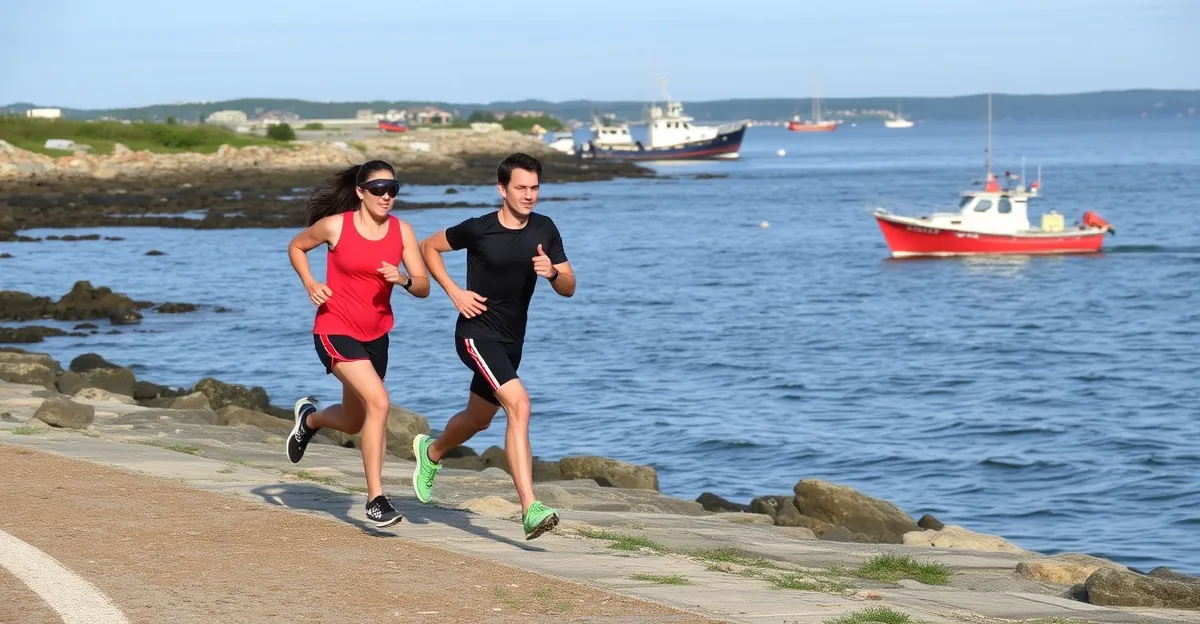
ÖTILLÖ Casco Bay brings the world's premier swimrun series to the rugged coast of Maine. Casco Bay is home to the Calendar Islands — a collection of over 200 islands scattered across the bay near Portland, Maine's largest city. The density of islands creates a natural swimrun playground with frequent transitions between Atlantic Ocean crossings and forested island trails.
The August timing places this race squarely in peak New England summer — warm air temperatures, moderately cool Atlantic water, and the lush green canopy of the Maine coast. Portland itself has become one of America's most celebrated food cities, making race weekend as much a culinary experience as an athletic one.
Course and Venue
The ÖTILLÖ Casco Bay course hops between the inhabited and uninhabited islands of the bay, using a mix of ferry landings, rocky shorelines, and forest trails. The landscape is quintessential Maine — spruce and pine forests, granite shores, lobster buoys in the channels, and harbour seals on the rocks.
- Sprint: Approximately 9.7km with shorter island crossings, suitable for swimrun newcomers
- Experience: Mid-distance covering more islands, approximately 18-24km
- Full: Approximately 35.2km, the complete island-hopping course
- Terrain: Forest trails, rocky shoreline, some dirt roads between trailheads
- Swim sections: Atlantic Ocean crossings between islands, tidal currents are a significant factor
- Elevation gain: Low to moderate — the islands are not tall but the terrain is uneven
Tidal conditions in Casco Bay are substantial — the tidal range is approximately 3 metres. Race timing is coordinated with the tides, but athletes should expect currents that push laterally during swim crossings. The rocky shoreline entries and exits require careful footing.
Getting to Casco Bay
By Air
Portland International Jetport (PWM) is the closest airport, just 15 minutes from downtown Portland. PWM has direct flights from most major East Coast cities (New York, Washington, Philadelphia, Chicago) and seasonal routes from further afield. Boston Logan International Airport (BOS) offers more international options and is approximately 2 hours south by car on I-95.
By Train and Car
Amtrak's Downeaster service connects Boston's North Station to Portland in approximately 2.5 hours, with scenic coastal views. The Portland Transportation Center is a short taxi ride from the Old Port and the Casco Bay Lines ferry terminal. Driving from Boston takes approximately 2 hours on I-95 North. From New York City, the drive is approximately 5 hours.
Accommodation
Portland is a well-served tourist city with accommodation ranging from boutique hotels to vacation rentals. August is peak tourist season on the Maine coast — book early.
- Old Port: Portland's historic waterfront district, walking distance to the Casco Bay Lines ferry terminal, best restaurant access
- East End/Munjoy Hill: A quieter residential area with harbour views, 15 minutes walk to the ferry terminal
- South Portland: Across the bridge, more affordable, 10 minutes by car to downtown
- Cape Elizabeth/Scarborough: Coastal suburbs with beach access, 15-20 minutes from Portland
- Island accommodation: Very limited. Peaks Island has a small inn, but most island overnight options are private rentals
Portland's food scene is exceptional — the city is known for lobster, oysters, craft breweries, and a farm-to-table restaurant culture that rivals cities many times its size. Plan your post-race celebration accordingly.
Training Tips for Casco Bay
Casco Bay presents specific challenges that differentiate it from European ÖTILLÖ venues:
- Tidal current swimming: The Gulf of Maine has significant tides. Practice swimming in moving water and learn to read current direction relative to your course line.
- Rocky shore entries: The granite and barnacle-covered shoreline at Casco Bay is rougher than Scandinavian islands. Expect scrapes and choose a durable wetsuit.
- Salt water adjustment: If your training is in freshwater lakes, the buoyancy of salt water changes your swim position. Get ocean sessions in before race day.
- Forest trail running with roots: Maine island trails are root-covered and often muddy. Train on similar terrain to build ankle stability.
- Fog awareness: Morning fog is common on the Maine coast in August. It burns off by mid-morning but can affect visibility during early swim sections.
Use the Swimrun Pace Calculator to estimate your target time. Factor in slower swim splits if you are not experienced with tidal swimming.
Other ÖTILLÖ Races in the Americas
- ÖTILLÖ Orcas Island 2026 — May 31, San Juan Islands, Washington (West Coast option)
- ÖTILLÖ Colorado 2026 — October 4, mountain lakes (different but spectacular)
- ÖTILLÖ Austin 2026 — November 8, Austin, Texas (season finale)
Frequently Asked Questions
When is ÖTILLÖ Casco Bay 2026?
ÖTILLÖ Casco Bay 2026 takes place on August 9, 2026 in Casco Bay, near Portland, Maine, USA.
What distances are available at ÖTILLÖ Casco Bay?
ÖTILLÖ Casco Bay offers distances ranging from approximately 9.7km sprint to 35.2km full distance, with intermediate experience categories.
How do you get to Casco Bay?
Fly to Portland International Jetport (PWM), which is approximately 15 minutes from downtown Portland and the Casco Bay Lines ferry terminal. Boston Logan (BOS) is an alternative, roughly 2 hours by car south of Portland.
What is the water temperature in Casco Bay in August?
Atlantic Ocean water temperatures in Casco Bay in August typically range from 15-18°C. The Gulf of Maine is notably cooler than beaches further south. A 2-3mm wetsuit is recommended.
How much does ÖTILLÖ Casco Bay cost?
Entry fees for ÖTILLÖ Casco Bay typically range from $250-450 per team depending on the distance category, covering race entry for a team of two.
What makes Casco Bay unique for swimrun?
Casco Bay contains over 200 islands (known as the Calendar Islands) in a compact area. The race uses this island density to create frequent swim-run transitions with short but challenging Atlantic crossings between forested islands.
Ready to Train Smarter?
Get personalized training zones, race predictions, and performance insights with our free calculators.
