
Free Tool
Daily Hydration Calculator | Free Water Intake Tool
Calculate your daily water needs based on body weight, exercise duration, and temperature. Science-based hydration formula: 30-40 ml/kg plus exercise and heat adjustments.
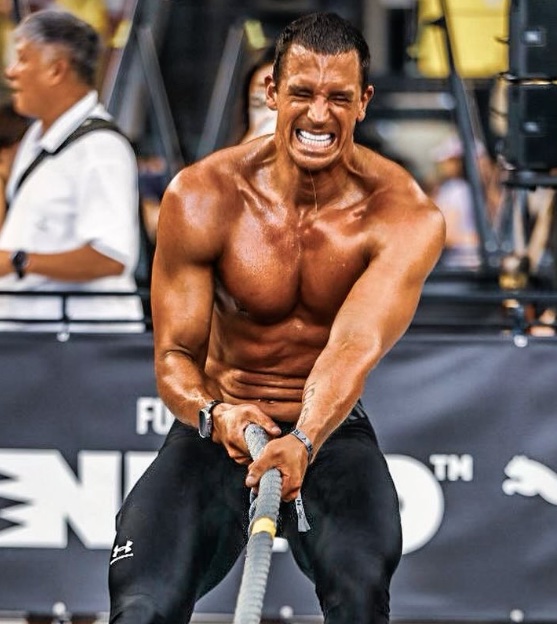
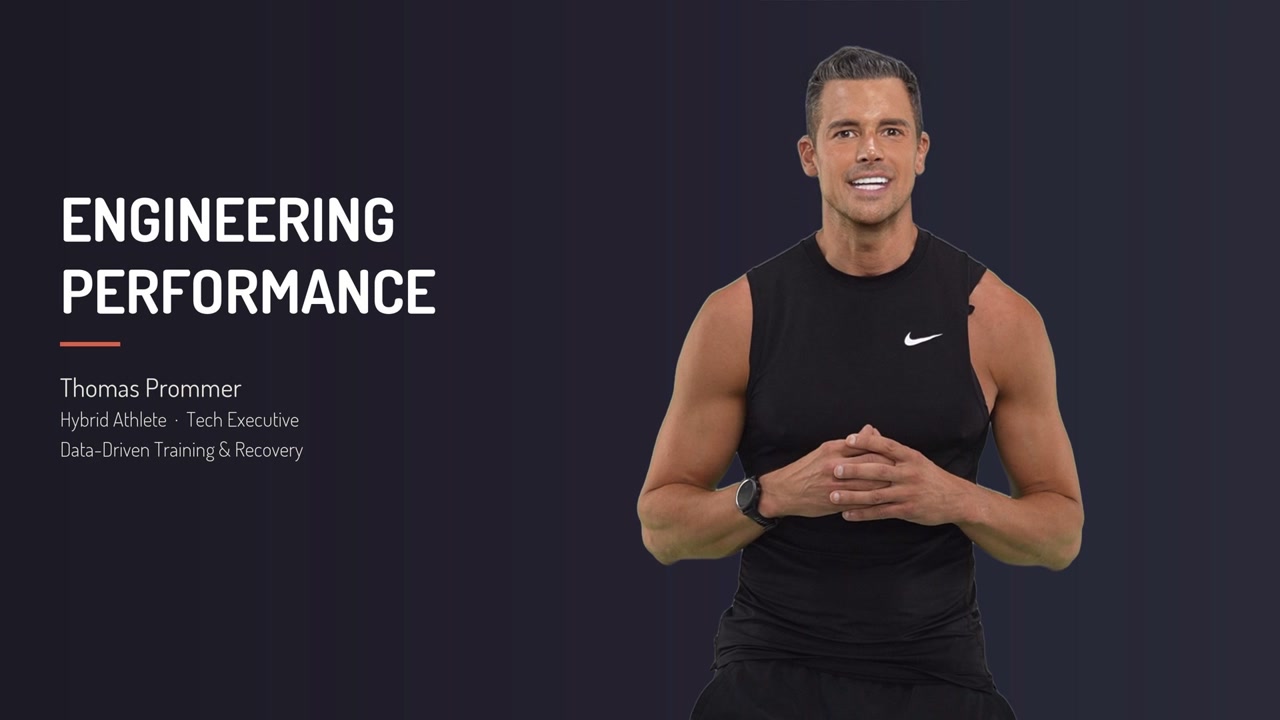
Built by an engineer who chases finish lines and is obsessed with data. Thomas Prommer — technology executive who has worked with Google, Apple, Nike, Adidas, Netflix and other global brands. Also an Ironman finisher, HYROX Pro Division competitor, and marathon runner. These tools combine engineering rigor with real race experience.
Hydration Calculator
Estimate your daily water needs based on body weight, activity level, and environmental conditions.
Methodology
Base hydration: 30–40 ml per kg of body weight per day. Exercise adds 400–800 ml per hour depending on intensity. Temperatures above 30°C add approximately 500 ml per hour of exposure. For precise individual values, perform a sweat rate test.
FAQ
How is daily water intake calculated?
The calculator uses the widely accepted guideline of 30–40 ml per kilogram of body weight as a baseline. A 75 kg person needs roughly 2.25–3.0 L per day before accounting for exercise or heat. This baseline comes from EFSA (European Food Safety Authority) and NASEM (National Academies) recommendations.
How much extra water do I need during exercise?
Most athletes lose 400–800 ml of sweat per hour during moderate exercise. In hot conditions or at high intensities, losses can exceed 1.5 L/h. The calculator adds fluid based on your exercise duration and temperature. For a more precise number, use our Sweat Rate Calculator with actual pre/post-exercise weigh-ins.
Does coffee or tea count toward my daily intake?
Yes. While caffeine has a mild diuretic effect, the net fluid contribution from coffee and tea is positive. Studies show that habitual caffeine consumers retain most of the fluid from caffeinated beverages. They count toward your total, though plain water remains the most efficient hydrator.
Can I drink too much water?
Yes. Overhydration can lead to hyponatremia — dangerously low blood sodium levels. This is most common during long endurance events when athletes drink far more than they sweat. Aim to replace 75–80% of sweat losses rather than 100%, and include electrolytes during exercise lasting over 1 hour.
How does temperature affect hydration needs?
Heat increases sweat rate significantly. At temperatures above 30°C, your body produces more sweat to cool down, increasing fluid losses by 500 ml or more per hour. Humidity compounds this effect because sweat evaporates less efficiently, prompting even greater sweat production.
Results are estimates based on general guidelines. Individual needs vary with sweat rate, altitude, and health conditions. Consult a professional for personalized advice.
If something isn't working, please tell us.