
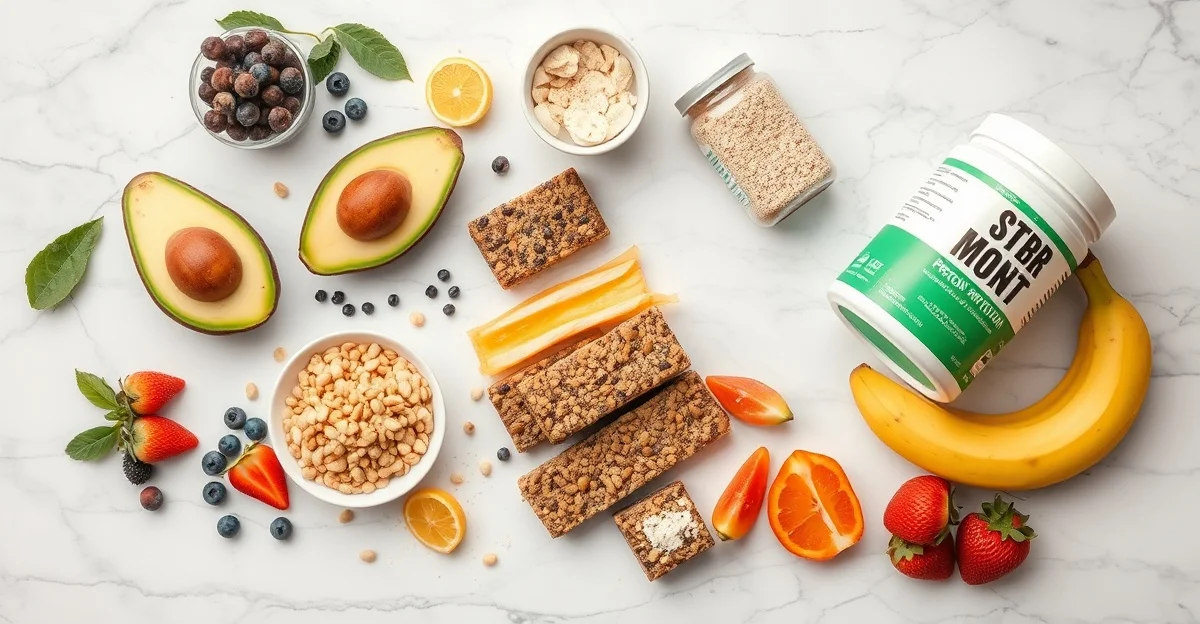
Nutrition as a Performance Lever
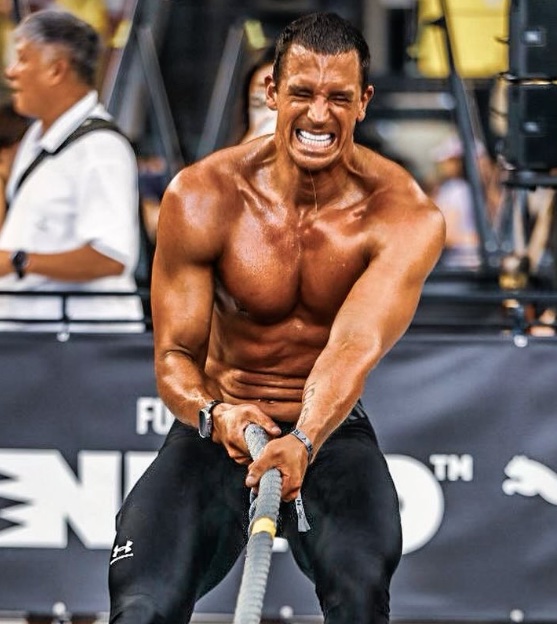
After years of marathon running, Ironman triathlon, and HYROX competition, I've learned that nutrition is the most underrated performance lever in endurance sports. Not just race day fueling — but the strategic decisions about body composition, medication, and long-term protocols that determine whether you show up to the start line at your best.
This section documents my personal experience and the protocols I've tested, including my use of GLP-1 medication (semaglutide / Ozempic) to reach race weight while preserving training quality and muscle mass.
GLP-1 for Endurance Athletes
In-depth documentation of my experience using semaglutide as a competitive endurance athlete — with actual race data, body composition tracking, and practical protocols.
My GLP-1 Journey
The complete story: why I started, my protocol, weight timeline, race results, and honest assessment of what changed.
PillarRace Results on GLP-1
Garmin data, split comparisons, and power-to-weight ratios from races during my semaglutide protocol.
DataRace Day Fueling on GLP-1
How delayed gastric emptying changes gel timing, carb absorption, and race nutrition strategy.
ProtocolMuscle Preservation Protocol
Resistance training, protein targets, and training load management to minimize lean mass loss.
ProtocolSide Effects & Dose Timing
Managing nausea, energy dips, and injection timing around training sessions and race weeks.
GuideRace Weight & Power-to-Weight
The watts-per-kilo and pace-per-kilo math with real numbers from my training data.
DataMore Resources
- GLP-1 and Sugar Cravings — how Ozempic and Mounjaro reduce food noise, and the athlete's fueling dilemma
- Tirzepatide vs Semaglutide for Athletes — Mounjaro vs Ozempic body composition and performance comparison
- Microdosing GLP-1 as an Endurance Athlete — lower doses, fewer side effects
- GLP-1 and WADA: Is Semaglutide Doping? — the ethics and fairness debate
- GLP-1 for Athletes FAQ — 30 questions answered
Frequently Asked Questions
What nutrition strategies work best for endurance athletes?
The fundamentals are consistent: adequate carbohydrate intake during training (60-100+g/hr for long sessions), sufficient daily protein (1.5-2.2g/kg body weight) for recovery and muscle preservation, and strategic periodization of nutrition around training load. Beyond the basics, body composition management and race-specific fueling protocols make the biggest difference for competitive age-groupers.
Can GLP-1 medications like Ozempic or Mounjaro be used safely by endurance athletes?
Yes, with careful medical supervision and protocol design. I document my personal experience using tirzepatide (Mounjaro) at a low dose (2.5mg/week) alongside Ironman training in my GLP-1 journey. The key considerations are preserving fueling ability during training, maintaining protein intake for muscle preservation, and timing injections around key sessions.
How many carbs per hour should endurance athletes consume during racing?
Current research supports 60-90g/hr for most athletes, with elite and trained gut athletes tolerating 100-120g/hr. I personally fuel at 100+ grams of carbohydrate per hour on the bike during Ironman training. The key is training your gut — start lower and build up over weeks of practice during training sessions.
How do you maintain muscle mass while training for an Ironman?
High-volume endurance training creates a catabolic environment. My approach: maintain resistance training throughout (even during peak training blocks), hit 140-190g protein daily, and avoid aggressive caloric deficits during heavy training weeks. When using GLP-1 for weight management, I chose tirzepatide specifically because of its better lean mass preservation profile compared to semaglutide.
What is the best body composition for marathon and Ironman performance?
There is no single ideal — it depends on your build, training history, and event. The principle is power-to-weight ratio: every kilogram lost while maintaining power output improves performance. My experience showed W/kg improving from 2.76 to 3.04 over a 5-week period of weight management alongside structured training. The key is finding your personal inflection point where further weight loss starts costing power.
Ready to Train Smarter?
Get personalized training zones, race predictions, and performance insights with our free calculators.
