
Ask AI Tom
Free Tool

Rucking Pace Calculator | Distance & Time Estimator

Calculate your rucking pace, time, and distance. Enter your ruck weight to see adjusted pace estimates for loaded walking.
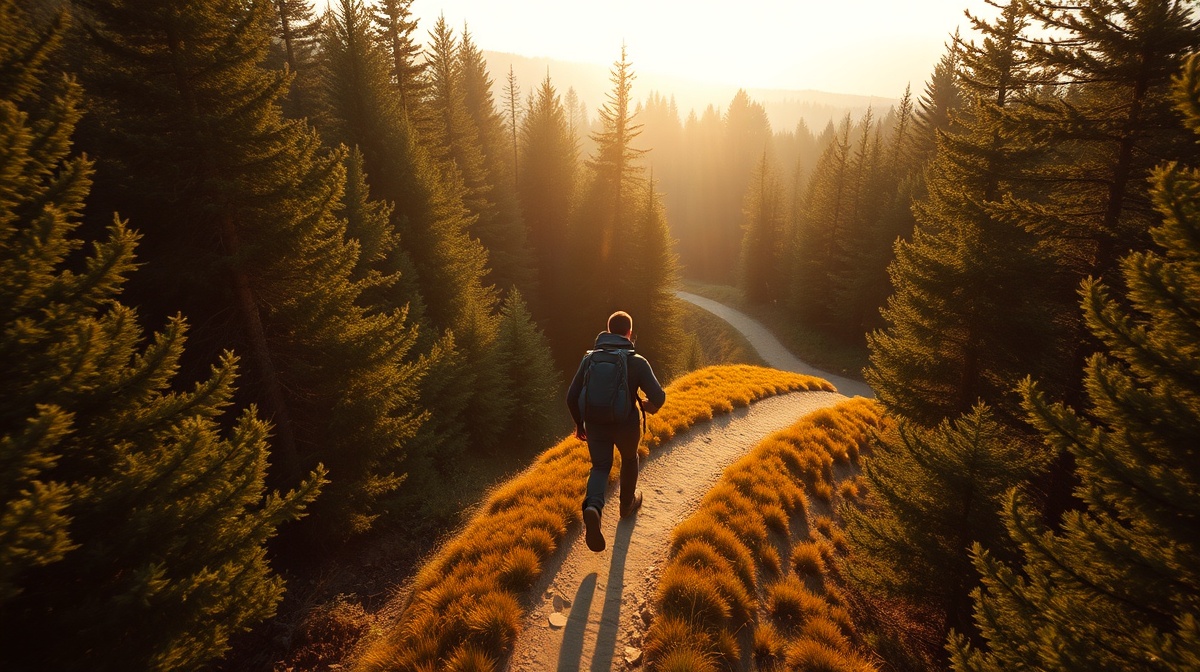
Rucking on a forest trail
Thomas Prommer
Built by an engineer who chases finish lines and is obsessed with data. Thomas Prommer — technology executive who has worked with Google, Apple, Nike, Adidas, Netflix and other global brands. Also an Ironman finisher, HYROX Pro Division competitor, and marathon runner. These tools combine engineering rigor with real race experience.
Thomas Prommer
Free Tool

Rucking Pace Calculator

Estimate your loaded rucking pace based on your unloaded walking pace and ruck weight. Heavier loads slow you down — this calculator shows by how much.

How This Calculator Works

This calculator estimates pace slowdown from carrying a load based on biomechanics research. As a general rule, each 10% of body weight carried as a ruck adds approximately 6-8% to your pace. The terrain factor multiplies the base slowdown, accounting for harder surfaces requiring more energy. For pavement, the slowdown is primarily from the extra weight. For trails and off-road, the instability and uneven footing compound the effect.

FAQ

What is a good rucking pace?

For most people, 12-15 min/km (19-24 min/mile) with a moderate load (10-20% BW) is solid. Military standard is 15 min/mile (9:20 min/km) with 35-50 lbs. Elite ruckers maintain sub-12 min/mile (7:30 min/km) with heavy loads.

How much does weight slow you down?

Roughly 6-8% per 10% of body weight added. So an 80 kg person carrying 16 kg (20% BW) would see their pace slow by about 12-16%, turning a 10 min/km pace into roughly 11:15-11:35 min/km.

Should I focus on pace or weight?

For beginners, focus on weight first — get comfortable carrying load at a natural pace. Once you can maintain 12-13 min/km consistently, start pushing pace. For events like GORUCK, you need both: 15 min/mile pace with significant weight.

How does terrain affect rucking pace?

Terrain has a major impact. Expect 10-20% slowdown on gravel, 20-35% on trails, and 50%+ on sand or off-trail. Always plan extra time for non-paved routes.

Pace estimates are based on averages. Your actual pace depends on fitness level, terrain details, and load distribution. Military standard is 15 min/mile (9:20 min/km) with a 35-50 lb (16-23 kg) load.