Sled Pull: Station 3 Overview
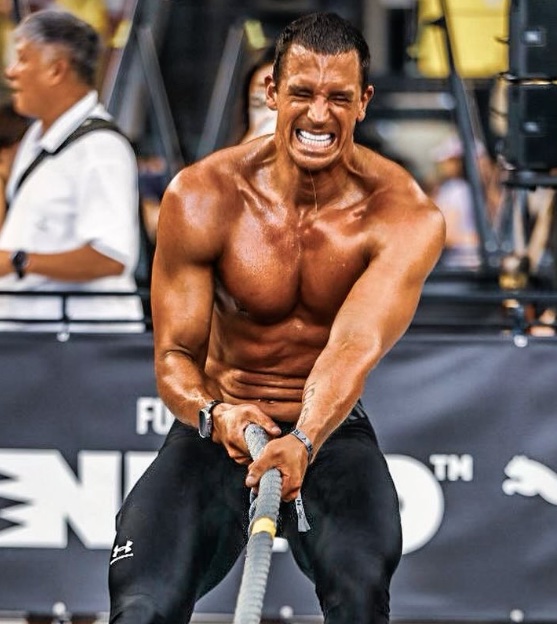
The Sled Pull is the third workout station in HYROX, following the Sled Push. You'll pull a weighted sled 50 meters toward you using a rope, hand-over-hand style.
Unlike the Sled Push which taxes your legs, the Sled Pull challenges your grip, back, and biceps. It's where many athletes discover weaknesses they didn't know they had—especially in grip endurance.
Sled Weights by Division
| Division | Total Weight (incl. sled) |
|---|---|
| Open Women | 102kg |
| Open Men / Pro Women | 152kg |
| Pro Men | 202kg |
| Doubles Men | 202kg (shared) |
| Doubles Women | 152kg (shared) |
| Doubles Mixed | 152kg (shared) |
Proper Technique
Starting Position
- Face the sled: You're pulling it toward you
- Feet wide: Beyond shoulder width for stability
- Low position: Sit down or deep squat, not standing
- Grab rope: Start with arms extended toward the sled
The Pull Motion
- Lean back: Use your bodyweight as anchor
- Drive through heels: Legs assist the pull
- Hand-over-hand: Alternate hands in smooth rhythm
- Full arm extension: Reach far, pull all the way to hip
- Stack the rope: Keep pulled rope organized beside you
Position Options
| Position | Description | Best For |
|---|---|---|
| Seated | Sitting on ground, legs extended | Maximum stability, heavier weights |
| Low Squat | Deep squat position throughout | Using leg drive, faster athletes |
| Kneeling | One or both knees down | Compromise between speed and stability |
Hand Technique
- Loose grip between pulls: Death grip = faster fatigue and rope burn
- Grip tight only during pull: Release tension between each hand switch
- Let rope slide: Don't fight the rope—work with it
- Consistent rhythm: Hand-over-hand should be smooth, not jerky
Protecting Your Grip
Grip failure is the #1 issue on sled pull. Your hands will get tired, sweaty, and potentially torn if you're not careful.
Prevention Strategies
- Chalk: Apply before the station (carry some in your pocket)
- Gloves: Thin cycling or CrossFit gloves—test in training first
- Grip training: Build calluses and endurance beforehand
- Technique: Loose grip between pulls reduces friction damage
If Grip Fails Mid-Station
- Shake out hands for 5-10 seconds
- Wipe hands on shorts to remove sweat
- Adjust to smaller pulls if needed
- Use more leg drive to reduce arm load
Pacing Strategy
The 50m Pull
The sled travels 50m, but you're stationary—the sled comes to you. This means you'll pull approximately 50m of rope through your hands.
Breaking It Up
| Strategy | Best For |
|---|---|
| Unbroken | Strong grip, lighter divisions |
| 2 x 25m | Most athletes, brief grip rest |
| 4 x 12.5m | Heavier divisions, grip preservation |
Rest Strategy
- Brief breaks: 3-5 seconds to shake out hands
- Don't let go of the rope completely
- Keep tension on sled while resting
- Plan breaks—don't wait until grip fails
Target Times
| Level | Open | Pro |
|---|---|---|
| Elite | 1:00-1:30 | 1:30-2:00 |
| Competitive | 1:30-2:30 | 2:00-3:30 |
| Recreational | 2:30-4:00 | 3:30-5:00 |
The HYROX Surface
Like the Sled Push, the Sled Pull uses carpet over concrete. The friction makes pulling harder than typical gym surfaces.
Surface Implications
- More resistance: Train 10-15% heavier to simulate race conditions
- Consistent friction: No slippery spots—you know what you're getting
- Rope quality: HYROX uses thick, consistent rope—similar to gym battle ropes
Common Mistakes
| Mistake | Problem | Fix |
|---|---|---|
| Standing pulls | All arms, no leverage | Get low—sit or squat |
| Death grip | Grip fatigue, rope burn | Loose between pulls |
| Short pulls | More reps, more transitions | Full extension to hip |
| No leg drive | Overworks arms and back | Push through heels while pulling |
| Messy rope | Tangles, tripping hazard | Stack rope neatly beside you |
Training for Sled Pull
Equipment Alternatives
If you don't have a HYROX-style sled with rope:
- Rope climb machine: Similar pulling pattern
- Battle rope anchored pulls: Attach rope to weight
- Seated cable rows: Builds pulling endurance
- Towel grip exercises: Develops grip for rope texture
Key Training Exercises
- Sled pulls: 4-6 x 25-50m at race weight or heavier
- Farmer carries: Build grip endurance
- Dead hangs: Grip strength for time
- Seated cable rows: Back and bicep endurance
- Bicep curls: Don't neglect them for this station
Grip-Specific Training
- Towel pull-ups: Develops rope-grip strength
- Plate pinches: Finger and thumb strength
- Rice bucket work: Hand and forearm conditioning
- Heavy carries: Time under tension for grip
Simulation Workouts
- Workout A: 1km run → Sled push 50m → 1km run → Sled pull 50m
- Workout B: 3 rounds: Row 500m → Sled pull 25m
- Workout C: Full HYROX simulation with both sleds in sequence
Race Day Execution
Approaching the Station
- Arrive from Run 3 with controlled breathing
- Quickly assess the rope and sled position
- Get into your pulling position immediately
- Shake out arms briefly if needed from the run
During the Pull
- Establish rhythm within first few pulls
- Keep breathing—don't hold breath
- Focus on technique when fatigue hits
- Execute your planned breaks
Exiting the Station
- Pull sled completely past the line
- Stand up slowly—blood rushing
- Shake out arms during transition
- Burpee Broad Jumps are next—different muscle group
Station Connections
The Sled Pull sits between Run 3 and the Burpee Broad Jumps. Strategic thinking:
- Before: Your legs just did Sled Push and two runs—they're fatigued
- Opportunity: Sled Pull uses upper body—let your legs recover
- After: Burpee Broad Jumps need fresh legs—don't burn them here
- Smart play: Use sled pull as active recovery for legs while working arms
Race Day Checklist
- ☐ Chalk in pocket (if using)
- ☐ Gloves decision made from training
- ☐ Pulling position decided (seated/squat)
- ☐ Break strategy planned
- ☐ Get low immediately—no standing pulls
- ☐ Loose grip between pulls
- ☐ Stack rope neatly
What's Next: Burpee Broad Jumps
After the Sled Pull, you'll run your fourth 1km before 80 Burpee Broad Jumps. The transition: your grip and arms are now taxed, but your legs got a relative break. Use Run 4 to shake out your arms and prepare mentally for the burpees.
Continue to Burpee Broad Jump Tips →
Frequently Asked Questions
Same weights as Sled Push: Open Women 102kg, Open Men/Pro Women 152kg, Pro Men 202kg (total weight including sled). The pulling motion feels different than pushing, but the weights are identical.
HYROX allows gloves, but most athletes don't use them. If you do, ensure they're thin enough for good rope grip. Many prefer chalk or bare hands for better rope feel. Test in training whatever you'll use race day.
Hand-over-hand while seated or in a low squat is most efficient. Plant your feet wide, lean back, and use your bodyweight plus legs to pull. Avoid standing and pulling with just your arms—you'll burn out quickly.
Keep a loose grip between pulls—death-gripping causes friction burns. Let the rope slide through your hands smoothly. Chalk helps. Some athletes wear thin cycling gloves. Most importantly: practice beforehand.
Calculate Your HYROX Splits
Use our pace calculator to plan your running and station times based on your goal finish time.