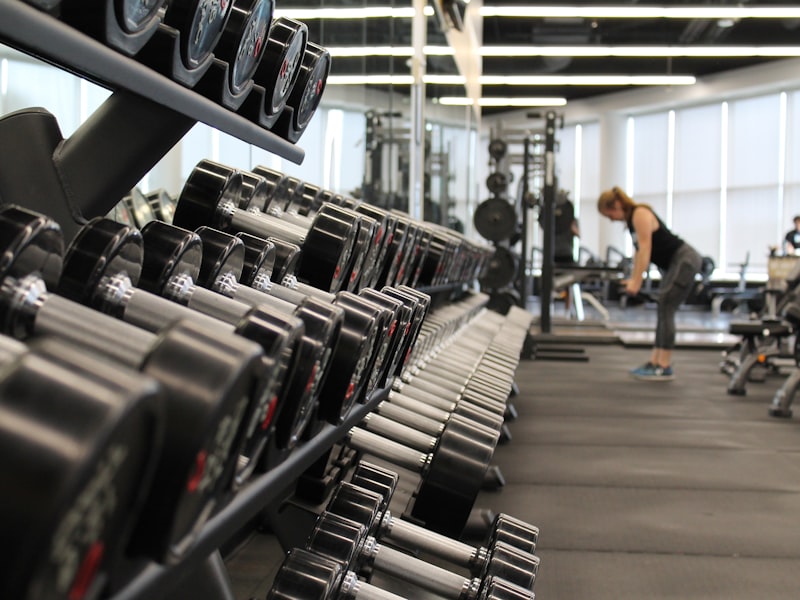

Is HYROX for Beginners?
Yes, absolutely. HYROX was designed to be accessible to athletes of all fitness levels. Unlike many competitive fitness events, HYROX welcomes first-timers with open arms. The Open division uses lighter weights specifically calibrated for recreational participants, and there's no minimum time requirement to complete the race.
Here's why HYROX is perfect for beginners:
- Simple movements: No complex Olympic lifts or gymnastics skills required
- Go at your pace: Walk the runs, take breaks at stations - it's your race
- Standardized format: Same workout worldwide, so you know exactly what to expect
- Team options: Doubles and Relay divisions let you share the workload
- Inclusive atmosphere: Everyone from elite athletes to first-timers racing together
The most common mistake beginners make is going out too fast. HYROX is a test of pacing and endurance, not speed. Start conservatively and you'll have a much better experience.
What to Expect at Your First HYROX
HYROX events are held in large indoor venues (convention centers, arenas) with a festival-like atmosphere. Here's what your race day looks like:
Before the Race
- Arrive 60-90 minutes early for check-in and warm-up
- Pick up your race bib and timing chip at registration
- Use the warm-up area - they have rowers, SkiErgs, and space to stretch
- Check your wave time - athletes start in waves every few minutes
During the Race
- 8 laps around the running track (1km each, usually indoor)
- 8 workout stations in the center of the venue
- Transition zones between running and stations
- All equipment provided - just bring yourself and appropriate clothing
- Water stations available throughout the course
After the Race
- Finisher medal and t-shirt for all participants
- Official results and splits available online within hours
- Recovery zone with stretching area and sometimes massage
- Photo/video opportunities at the finish line
The 8 Stations Explained
Every HYROX race includes these 8 stations in the same order. Here's a beginner-friendly breakdown:
Station 1: SkiErg (1000m)
A ski machine that works your arms, core, and back. Pull the handles down in a rhythmic motion. Tip: Start conservatively - this sets the tone for the entire race.
Station 2: Sled Push (50m)
Push a weighted sled across the floor. Get low, drive with your legs, and keep moving. Open division weights: 152kg (men) / 102kg (women).
Station 3: Sled Pull (50m)
Pull the same sled back using a rope. Hand-over-hand technique works best. Stay low and pull toward your chest. This is often where beginners struggle, so practice beforehand.
Station 4: Burpee Broad Jumps (80m)
Perform a burpee, then jump forward as far as you can. Repeat until you cover 80 meters. Tip: Find a sustainable rhythm - this one is mentally tough.
Station 5: Rowing (1000m)
Indoor rowing machine. Focus on good form: legs-body-arms on the drive, arms-body-legs on recovery. Tip: Don't spike your heart rate - consistent splits are key.
Station 6: Farmers Carry (200m)
Carry heavy kettlebells in each hand for 200m. Open division weights: 2x24kg (men) / 2x16kg (women). Grip endurance is the challenge here - chalk helps if allowed.
Station 7: Sandbag Lunges (100m)
Walking lunges while carrying a sandbag on your shoulders. Open weights: 20kg (men) / 10kg (women). Alternate legs and control your descent to protect your knees.
Station 8: Wall Balls (100 reps)
Squat with a medicine ball, then throw it at a target on the wall. 100 reps total. Open weights: 6kg ball (men) / 4kg ball (women). Try to go unbroken or in large sets - breaking too often costs time.
How Long to Train: The 8-12 Week Plan
For most beginners, 8-12 weeks of dedicated training is the sweet spot. Here's how to structure your preparation:
Weeks 1-4: Build Your Base
- Running: 3-4 runs per week, building up to 25-30km weekly volume
- Strength: 2 sessions focusing on squats, lunges, push-ups, and carries
- Learn the movements: Practice each station exercise with light weights
Weeks 5-8: Race-Specific Training
- Running: Add intervals and tempo runs to improve race pace
- Strength: Increase weights toward Open division standards
- Simulations: Start doing run-station-run combos (e.g., 1km run + rowing + 1km run)
Weeks 9-12: Race Preparation
- Full simulations: Do at least 2-3 complete or half-race simulations
- Taper week: Reduce volume in the final week while maintaining intensity
- Race strategy: Plan your target times for each run and station
Training Tips for First-Timers
1. Prioritize Running Fitness
Running makes up 8km of the race and happens between every station. If you can run 10km comfortably, you have the aerobic base for HYROX. Focus on building this foundation first.
2. Train Tired
The unique challenge of HYROX is doing stations with fatigued legs from running. Practice this by doing strength work after runs, not on fresh legs.
3. Practice the Sled Stations
Sled push and sled pull are the most race-specific movements. If your gym doesn't have sleds, use a prowler or weighted sled alternatives. These stations often make or break race times.
4. Don't Neglect Grip Strength
Farmers carry, sled pull, and wall balls all tax your grip. Dead hangs, farmer carries, and pull-ups will prepare your hands and forearms.
5. Do Full Simulations
Nothing prepares you like doing the actual race format. At least twice before race day, do a full simulation: 8x (1km run + station). Even if you use lighter weights, the experience is invaluable.
Race Day Tips
Before You Start
- Eat a familiar breakfast 2-3 hours before your wave time
- Arrive early to check in, warm up, and use the bathroom
- Warm up properly - 10-15 minutes of light jogging and mobility
- Wear comfortable clothing - no cotton, bring gloves for grip stations
During the Race
- Start slower than you think - the first 3 stations are a warmup
- Pace the runs - aim for consistent 1km splits, not fast early ones
- Take micro-breaks - a few seconds of rest is better than burning out
- Hydrate at stations - don't skip water, especially after station 4
- Stay present - focus on one station at a time, not the finish line
Common Beginner Mistakes to Avoid
- Going out too fast: Your first 1km should feel easy
- Skipping warm-up: Cold muscles + heavy sleds = potential injury
- Ignoring nutrition: Bring gels or chews for races over 90 minutes
- Wrong footwear: Wear running shoes, not CrossFit trainers
- Comparing yourself: Run your own race, not someone else's
Which Division Should Beginners Choose?
HYROX offers several divisions, and choosing the right one makes a big difference for first-timers:
- Open (Solo): Best for most beginners who want the full HYROX experience
- Doubles: Perfect if you want to share the load with a partner - you alternate runs and stations
- Relay (Team of 4): Great for groups - each person does only 2km running and 2 stations
If you're nervous about doing it solo, Doubles is an excellent first-time option. You get full rest between your runs and can encourage each other through the tough stations.
Frequently Asked Questions
Absolutely! HYROX is designed to be accessible to all fitness levels. The Open division uses lighter weights, and you can walk, jog, or take breaks as needed. Many first-timers complete HYROX with 8-12 weeks of basic preparation. The key is pacing yourself and not going out too fast.
While technically possible, it's not recommended. HYROX involves 8km of running plus 8 workout stations, which takes most beginners 90-120 minutes. Without preparation, you risk injury and an unpleasant experience. At minimum, aim for 4-6 weeks of basic running and functional fitness training.
For beginners, 8-12 weeks of dedicated training is ideal. This allows time to build running endurance, learn the station movements, and practice race simulations. If you already have a solid fitness base, 6-8 weeks may be sufficient. Focus on running 3-4 times per week and strength training 2-3 times.
They're different challenges. CrossFit focuses on varied, high-intensity workouts with complex Olympic lifts. HYROX is a standardized endurance race combining running with functional movements. HYROX is more accessible for beginners since the movements are simpler, but the continuous 60-90+ minute effort is uniquely demanding.
The 8 stations are: 1) SkiErg (1000m), 2) Sled Push (50m), 3) Sled Pull (50m), 4) Burpee Broad Jumps (80m), 5) Rowing (1000m), 6) Farmers Carry (200m), 7) Sandbag Lunges (100m), and 8) Wall Balls (100 reps). Each station follows a 1km run, totaling 8km of running.
Most first-timers finish between 90 minutes and 2 hours. The average overall finish time is around 1:25:00. Elite athletes finish under 60 minutes, while recreational participants typically range from 1:15 to 1:45. There's no time limit, so you can go at your own pace.
Calculate Your HYROX Splits
Use our pace calculator to plan your running and station times based on your goal finish time.